Flood and Storm Mold Cleanup in University Heights, OH
Mold and damaged materials removed from rain-damaged interiors in University Heights. Call 24/7 to start your assessment and cleanup.
- Flood moisture source checked
- Containment and HEPA filtration
- Removal through drying checks
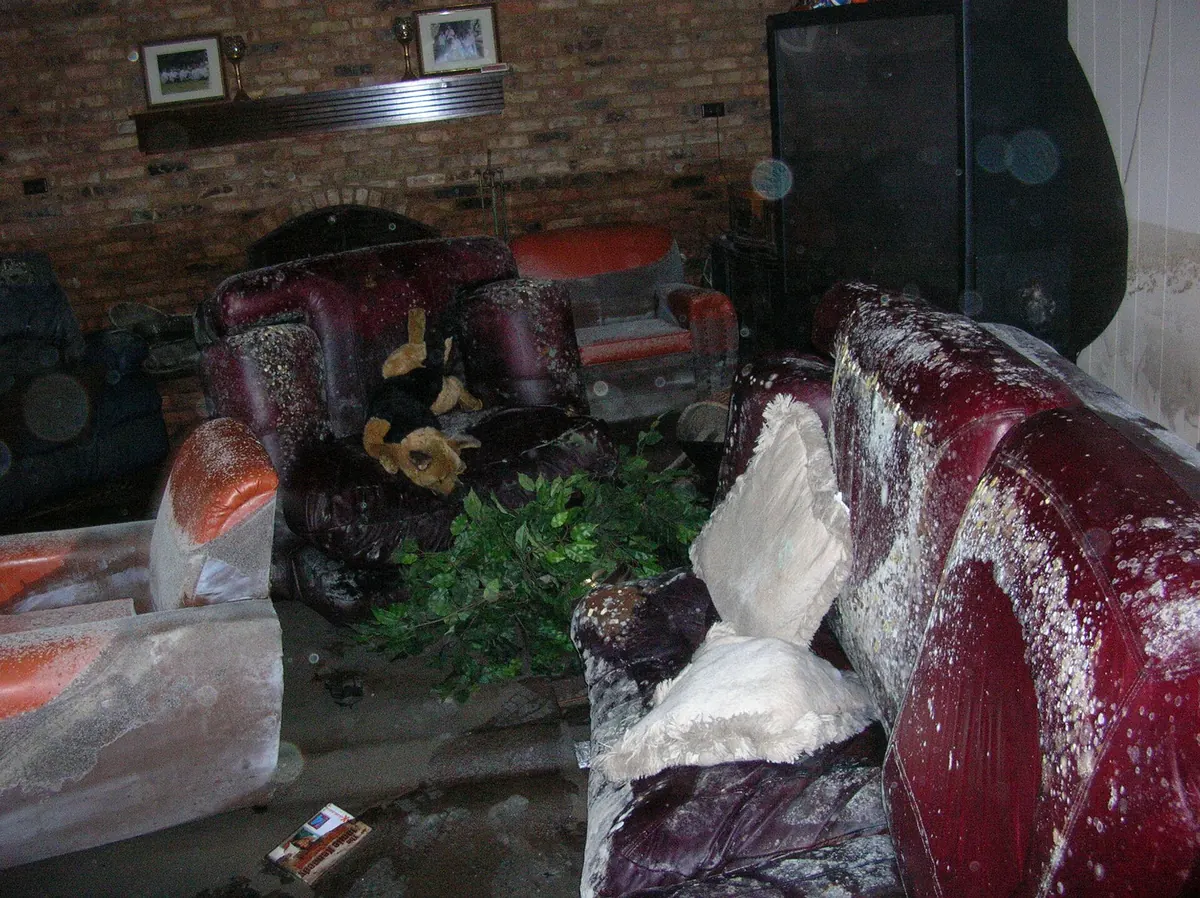
Mold Cleanup Services for Flood and Storm Damage in University Heights
After storm surge, wind-driven rain or flood water enters, your cleanup removes damaged materials along with mold. Your floors, insulation and walls are checked for both moisture and contamination.
Water extraction, debris removal and structural drying match the water source. Flooded basement mold cleanup includes checks beneath flooring and behind walls where moisture remains after standing water recedes.
Containment, cleaning, drywall removal and drying belong in your written scope. Separate items identify drainage corrections, replacement finishes and leak repair before the work gets underway.
- Flood-damaged wall and floor assessment
- Wet insulation and carpet removal
- Contained cleaning of salvageable surfaces
- Controlled Dry Out With Moisture Mapping
- Final cleaning and drying checks
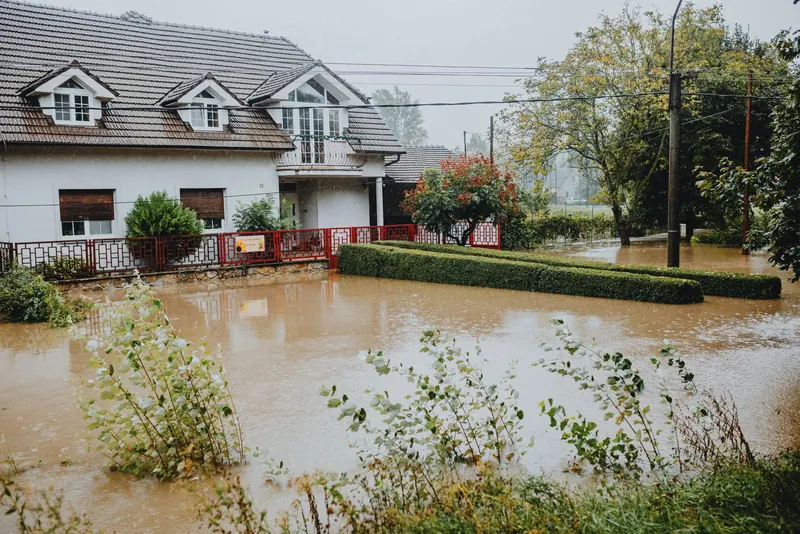
Signs You Need Flood and Storm Mold Cleanup
You need an assessment if heavy rainfall leaves growth, mustiness or swollen finishes.
Mold After Flooding
Visible mold growth may persist even once your floodwater has drained.
Musty Smell After Rain
Damp cavities or ongoing water intrusion may explain your recurring odor.
Wet Insulation After Roof Damage
You may spot storm water entry through ceiling sagging and wet insulation.
Flooded Basement Mold
Your lower walls may develop growth after sump pump failure or rising water.
Swollen Floors and Soft Drywall
Surface cleaning alone is insufficient for your buckled floors and softened wallboard.
What Flood and Storm Mold Cleanup Involves
Your cleanup starts with assessment. Contained removal comes next, before drying and verification.
Flood Assessment and Moisture Mapping
When access is safe, your rooms undergo assessment. A moisture meter maps dampness; a thermal imaging camera locates temperature differences but cannot identify mold.
Water Source and Cleanup Scope
Floodwater, roof leaks and drainage problems are traced. Water extraction and source control follow safe access, with repair needs and contamination defined in your scope.
Flood Work-Zone Containment
A containment barrier is built using poly sheeting. Negative air pressure, a HEPA air scrubber and protective equipment restrict the spread of mold spores and dust as removal proceeds.
Flood-Damaged Material Removal
Unsalvageable drywall, carpet pad and wet insulation are removed inside containment. Debris is bagged before leaving, exposing hidden layers for assessment.
Surface Cleaning
Cleaning strips flood deposits and growth off surfaces that can be saved. Use of a HEPA vacuum clears residual dry material; neither removal nor cleaning can be replaced by antimicrobial treatment.
Controlled Structural Drying
Dehumidification and air movers support drying after contaminated materials are removed. Repeated moisture readings monitor your framing and floor assemblies while a dehumidifier manages moisture.
Verification and Containment Removal
Containment removal follows cleaning, drying and the agreed post-remediation verification. An independent assessor performs clearance testing when specified; replacement materials follow completed checks.
Flood and Storm Mold Cleanup: Why Choose Cleveland Mold Removal Services
Flood Moisture First
Removal follows your assessment of storm water entry and the locations of remaining water.
Clear Scope and Contained Work
Your scope defines damaged materials, containment and HEPA filtration before work starts.
Removal Through Final Checks
Damaged material comes out and sound surfaces undergo cleaning, with drying checked ahead of taking down containment.
Flood Cleanup Calls Answered 24/7
One number starts your assessment across the metro, day or night.
Preparing for Flood Cleanup in Cuyahoga County
Call for your assessment while keeping out of damaged rooms until entry is safe.
- Wait for safe entry. After flooding or a hurricane, follow your local instructions for reentry.
- Avoid wet electrical equipment. Where outlets, appliances or damaged wiring meet flood water, keep your distance.
- Leave affected materials undisturbed. Do not scrape growth, pull up carpet or begin wall demolition.
- Keep affected HVAC equipment off. EPA advises against running equipment suspected of mold contamination.
- Keep people and pets away. Avoid the affected area and keep access routes clear for assessment.
Mold Cleanup Cost Following Flood and Storm Damage in University Heights, OH
Removal, contamination and drying shape what you pay. Each Fixr national range addresses a different water damage task, so these figures are not a combined quote for mold cleanup. There is no price ceiling for flooded basement cleanup, including the upper figure shown. Clean-water extraction rates do not describe extraction of contaminated floodwater.
Flooded basement cleanup
$2,000 to $85,000 per jobSource: Fixr, Water Damage Restoration Cost (checked 2026-10-23)Post-flood drying for a 500 square foot basement, excluding repairs
$2,000 to $7,000 per jobSource: Fixr, Water Damage Restoration Cost (checked 2026-10-23)Water extraction, clean water
Each square foot costs $3.75 to $4.25Source: Fixr, Water Damage Restoration Cost (checked 2026-10-23)Water extraction, black water
Per square foot: $7 to $7.5Source: Fixr, Water Damage Restoration Cost (checked 2026-10-23)Factors That Change Your Flood Cleanup Cost
- Materials that must be removed
- Time before drying started
- Size of the affected area
- Water category and depth
- Structural drying equipment
Your Flood Cleanup Price
These published national ranges are planning figures. Your on-site assessment defines the work and price before cleanup starts, including any separate source repairs or rebuilding.
Call (844) 352-3560 about costFlood and Storm Mold Cleanup Service Area Across Greater Cleveland
Call (844) 352-3560 to arrange cleanup in University Heights or nearby communities. One number covers the metro.
Flood and Storm Mold Cleanup in Locations Near University Heights
ZIP codes
What People Ask About Flood and Storm Mold Cleanup in University Heights
Could you get mold again after flood cleanup?
Covering damp materials or leaving water problems unresolved can allow mold to return. Assessing your property includes tracing continuing leaks and incoming water. Before new finishes are installed, affected surfaces undergo cleaning and drying. Completed source repairs and humidity control help prevent the same conditions from returning.
How long does flood cleanup take in University Heights?
Your schedule follows safe access and assessment of contamination and damaged materials. A single room's carpet removal is different work than opening walls over an entire flooded floor. Drying follows your moisture readings. Necessary rebuilding and final checks influence when your space can be used again.
Can you stay in your property during storm cleanup?
You may stay when safe separation keeps your occupied rooms, exits and utility systems apart from the cleanup zone. Shared ventilation or damage from flooding may mean you must relocate temporarily. Your assessment establishes limits on access. Having containment in place is insufficient to establish that you can appropriately stay.
Which materials need removal following a flood?
Moldy drywall, carpet pad, wet insulation and other damaged porous materials may need removal. Contamination and cleanability determine the scope. Accessible non-porous surfaces, along with sound framing, may undergo cleaning and drying. Hidden layers beneath flooring or behind walls are assessed during removal.
Will cleanup include repairs for storm leaks and drainage problems?
Planning the cleanup involves examining the moisture source. Your scope must specify roof repairs, sump pump work and drainage changes for those tasks to be included. Separate repairs are identified before work begins. Cleaning treats affected materials, while source correction helps prevent the same water path from wetting them again.
What does flood cleanup cost in Cuyahoga County?
Assessment of drying, removal, contamination and affected square footage determines your price. National water damage ranges appear in the cost cards, using differing units and scopes. They do not form a mold cleanup total when summed. In your scope, source repairs and new finishes are separate from cleanup.
Do you need testing ahead of or following flood mold removal?
With visible mold, you often do not need air sampling, according to EPA guidance. Defining your cleanup area begins with inspection and checks for moisture. After removal, cleaning and drying are checked before containment comes down. When specified, clearance testing is conducted by an independent assessor. Federal rules set no limit on indoor mold levels.
Insurance and Flood Cleanup in Ohio
Coverage for your damage varies with exclusions, the deductible, water source and limits on mold coverage. Homeowners and flood insurance may differ in their treatment of water events. Rebuilding and cleanup can each have a separate coverage decision.
Staying Safe Around Flood Mold in Greater Cleveland
Restrictions on your access and cleanup methods change with concealed damage and contaminated water.
Black Mold After Flooding
CDC says color does not tell you how risky a mold is.
Sensitive Occupants
For some people, CDC identifies mold as a possible trigger of allergy and asthma symptoms.
Contaminated Floodwater
Even a small patch needs professional cleanup if sewage or other contamination is involved.
Flood Deposits
Cleaning and drying follow an assessment of mud and silt together with damaged finishes.
Cleanup scope: EPA notes that homeowners can often clean patches measuring under about 10 square feet. Mold from sewage or contaminated water falls outside that advice; professional help is also needed for HVAC systems and larger areas.
Cleaning or Removing Flood-Damaged Materials in Cuyahoga County
What you can keep depends on damage, contamination and whether cleaning is possible.
Non-Porous Surfaces
- Accessible glass, metal and tile in sound condition receive cleaning and drying.
Porous Materials
- Your sound framing may allow cleaning, but affected drywall, insulation and carpet may need to be removed.
Flood-Affected Contents
- Cleaning or disposal of furniture and textiles requires separate assessment.
Timing Your Flood Cleanup in Cuyahoga County
Your schedule follows safe access, material removal, drying and final checks.
- Access and utilities: Setting up equipment can be delayed by entry limits or unavailable electrical power.
- Extent of removal: Your affected area may grow when opened finishes expose concealed damage.
- Drying and completion: Moisture readings help determine when you are ready for repair after remediation.
Odor and Humidity After Flooding in University Heights
Checks of your materials and moisture investigate mustiness following rain. A scent cannot eliminate recurring leaks or moisture inside a cavity.
EPA advises keeping your indoor relative humidity under 60 percent, with 30 to 50 percent ideal. Controlling humidity aids drying; repairs to the moisture source are still needed.
What Flood Cleanup Requires in Ohio
Flood Work Requirements
Ohio does not appear to have a statewide license for mold inspectors or remediators, and the Ohio Construction Industry Licensing Board covers only electrical, HVAC, plumbing, hydronics and refrigeration contractors. Homeowners can ask any contractor about their training and experience and check local contractor rules.
EPA Drying Guidance
Dry water-damaged areas and items within 24 to 48 hours to prevent mold growth.
Repair Permits
Permit requirements depend on the structural, electrical or building work included.
State Mold Information
The Ohio Department of Health has an Emergency Flood Cleanup and Mold page that lists signs of mold and advises fixing the water source. Its Health Assessment Section says it does not offer resources specific to mold cleanup.
State guidance: Ohio Department of Health, Emergency Flood Cleanup and Mold; Ohio Department of Health, Health Assessment Section questions; Ohio Department of Commerce, Residential Property Disclosure Form (eff. 6/2022); Ohio Revised Code 5302.30 (Internet Archive copy of codes.ohio.gov); Ohio Revised Code 5321.04 (Internet Archive copy of codes.ohio.gov); Ohio Department of Commerce, Ohio Construction Industry Licensing Board
Related Services and Next Steps
Start Your Flood and Storm Mold Cleanup in University Heights
Call 24/7 to arrange your assessment. Your cleanup starts with the affected surfaces, moisture source and access to your home.